Eye Diseases

Dry Eyes/Blepharitis

RECOVERY PLAN

Dry Eyes/Blepharitis Myths: Dry Eyes/Blepharitis is just a condition of eyes.

Facts: The eyes often reflect a larger problem that needs to be treated systemically. Overview, Dry Eyes: Dry eyes, often referred to as Dry Eye Syndrome, is the most frequent patient complaint to eye doctors. About 15% of the population in all groups experience varying degrees of dry eye syndromes. Like most eye conditions, Dry Eye Syndrome is often related to health conditions in the rest of the body. It is commonly associated with dryness of other mucous membranes, interior body surfaces such as joints and brittle nails. It can also be a sign of digestive imbalances (see Starch Study) or of more serious systemic autoimmune diseases, such as rheumatoid arthritis, Sjogrens syndrome or lupus erthematosus.

The proper production of tears basically takes place at three layers: * The Mucus Layer – is the closest layer to the corneal epithelium. It is produced by the conjunctival goblet cells, and is absorbed by the corneal surface glycoproteins, creating a hydrophilic corneal surface. * The Aqueous Layer – is between the Mucous and Lipid Layers, and comprises 90% of the tear film’s thickness. It is secreted by the lacrimal gland and incorporates all water-soluble components of the tear film (slightly alkaline at pH of 7.4). * The Lipid Layer – is the most superficial layer. The Meibomiam glands produce it with minor contribution from glands of Zeis and Moll. The secretion is a sebaceous material that is fluid at body temperature, and retards evaporation of the aqueous layer and lowers surface tension thereby allowing tear-film to mould itself to the eye’s surface.

* The Blink renews the tear film by delivering aqueous and lipid to tear film and sweeping away debris. The normal blink interval is every 5 seconds. Tear film is typically stable for about 10 seconds. << back to the start Symptoms: The typical symptoms include dryness, grittiness, irritation, difficulty reading for long periods of time, burning and even the seeming contradiction of excessive tearing or watering. Causes: * Any disruption in the tear production process as described in the Overview.

* Blepharitis can often cause dry eye symptoms due to inflammation of the eyelid margins, which is caused by a bacterial infection (Staphylococci). This condition can compromise the quality of the tear film causing tears to evaporate more quickly. The bacteria produce waste material that can cause a mild toxic reaction leading to chronic red, irritated eyes. Click Blepharitis for treatment.

* Computer Users tend to blink much less frequently (about 7 times per minute vs. a normal rate of around 22 times/minute). This leads to increased evaporation along with the fatigue and eyestrain associated with staring at a computer monitor. Ideally, computer users should take short breaks about every 20 minutes to reduce this factor. Also, adjusting the monitor so that it is below eye level will allow the upper lid to be positioned lower and cover more of the eye’s surface, again to reduce evaporation.

* LASIK surgery temporarily disrupts the ocular surface/lacrimal gland unit. Also, during LASIK, roughly 60-70% of the superficial nerve fibres in the cornea are severed, which impacts sensation and affects aqueous tears. With compromised sensation, the blink rate can slow to the point where the tear film breaks up before the next blink can reconstitute. This may result in mild to severe dry eye syndrome for many months after surgery. This condition usually eventually clears up.

* Diseases that may be associated with dry eyes include Rheumatoid Arthritis, Diabetes (especially when the blood sugar is up), Asthma, Thyroid disease (lower lid does not move when blinking), Lupus, and possibly Glaucoma.

* Age – Tear volume decreases as much as 60% by age 65 from that at age 18. Dry Eye Syndrome affects 75% of people over age 65.

* Hormonal changes for women can cause decreased tear production brought on by pregnancy, lactation, menstruation, and post menopause.

* Other including too much coffee drinking, smoking, wearing contact lenses, air-conditioning or heat. << back to the start Drugs can cause dry eye symptoms:

* Blood pressure medications

* Antibiotics

* Antidepressants

* Diuretics

* Over-the-counter vasoconstrictors (i.e. Visine)

* Antihistamines

* Birth control pills

* Appetite suppressants

* Ulcer medications Conventional Treatment: Artificial Tears: Some form of over-the-counter artificial tears is usually recommended. Although they may provide temporary relief, they merely palliate the symptoms. Worse, the preservatives can aggravate the condition, and can even kill corneal cells. Tears that promise to “get the red out” will reduce circulation in the eye, decrease production of the tear film, and worse, eventually make your eyes even drier.

Punctal Occlusion: Punctal occlusion is a procedure used to help dry eye patients by closing the tear drainage canals with silicone plugs, which keep most of the fluid from the surface of the eye. This may provide long-term relief. Complementary Treatment: Almost certainly, lifestyle changes will be needed to resolve the problem in the long term.

See the action plan for details.

Print Friendly
Print Friendly

Multiple Sclerosis-Eyes

RECOVERY PLAN

Blurred and deteriorating vision is a common occurrence with MS. The reason is almost certainly caused when the myelin sheath develops scar tissue after being damaged during an auto-immune-system attack.

Conventional Treatment:

The existing conventional treatments that claim to work do no more than halt the deterioration.

Alternative:

Firstly take the enzyme Serrapeptase (Serrazyme). This enzyme dissolves the scar tissue that is blocking the nerve impulses. This in itself will give a remission. Then put the action plan into operation immediately.

Print Friendly
Print Friendly

Diabetic Retinopathy

RECOVERY PLAN

What is diabetes?

About one person in fifty in the UK is affected by diabetes mellitus or “sugar diabetes”. As a result, the body cannot normally cope with starchy foods, sugar and other carbohydrates in the diet (or any food that elevates blood glucose levels).

Diabetes can start in childhood usually by a viral attack. In later life too many starchy foods, sugar and other carbohydrates in the diet usually cause it.

If diet is not strictly adhered to then it will cause complications that affect different parts of the body.

There are two types of diabetes mellitus – one is controlled by insulin injections, and the other by diet or tablets, but they both affect the eyes in the same way (see Starch Study).

If you have diabetes this does not necessarily mean that your sight will be affected, but there is a higher risk. If your diabetes is well controlled by diet then you are less likely to have problems, or they may be less serious. However if there are complications that affect the eyes then this can result in loss of sight.

Why regular eye tests are important

Most sight loss from diabetic retinopathy can be prevented. But it is vital that it is diagnosed early. You may not realise that there is anything wrong with your eyesight, and so regular eye checks are extremely important.
How can diabetes affect the eye?

Your eye has a lens and an aperture (opening) at the front, which adjusts to bring objects into focus on the retina at the back of the eye. The retina is made up of a delicate tissue that is sensitive to light, rather like the film in a camera.

What causes a cataract?

At the centre of the retina is the macula, which is a small area about the size of a pinhead. This is the most highly specialised part of the retina and it is vital because it enables you to see fine detail and read small print. The other parts of the retina give you side vision (peripheral vision). Filling the cavity of the eye in front of the retina is a clear jelly-like substance called the vitreous humour.

Diabetes can affect the eye in a number of ways. These usually involve the fine network of blood vessels in the retina – hence the term diabetic retinopathy.

Temporary blurring

Your vision may become blurred for a few days or weeks while your diabetes is first being controlled. This is due to the swelling of the lens of the eye and will soon clear without treatment soon after the diabetes is controlled.

Cataract

This can occur in two forms:

  • Young people with diabetes very occasionally develop a special type of cataract. Although their vision gets worse, it can be restored by surgery;
  • Older people with diabetes can be especially prone to developing cataracts. Cataracts can be successfully removed by surgery and usually it is possible to insert a lens implant. However this is unsuitable for some people and you will be told if this is the case.

Diabetic retinopathy

The most serious diabetic eye condition involves the retina and is called diabetic retinopathy.

Background diabetic retinopathy

This condition is very common in people who have had diabetes for a long time. Your doctor may be able to see abnormalities in your eyes, but there is no threat to your sight.

There are two types of diabetic retinopathy that can damage your sight. Both involve the fine network of blood vessels in the retina. They are described below.

Maculopathy

This happens when the blood vessels in the retina start to leak.

  • If the macula is affected, you will find that your central vision gradually gets worse. You may find it difficult to recognise people’s faces in the distance or to see detail such as small print. The amount of central vision that is lost varies from person to person. However the vision, which allows you to get around at home, and outside (navigation vision) will be preserved.
  • It is very rare for someone with maculopathy to lose all of his or her sight.


Proliferative diabetic retinopathy

Sometimes diabetes can cause the blood vessels in the retina to become blocked. If this happens then new blood vessels form in the eye. This is nature’s way of trying to repair the damage so that the retina has a new blood supply.

Unfortunately these new blood vessels are weak. They are also in the wrong place – growing on the surface of the retina and into the vitreous jelly. As a result these blood vessels can bleed very easily and cause scar tissue to form in the eye. The scarring pulls and distorts the retina. When the retina is pulled out of position this is called retinal detachment.

  • This condition is more rare than background retinopathy and is more often found in people who have been insulin dependent for many years.
  • The new blood vessels will rarely affect your vision, but their consequences, such as bleeding or retinal detachment can cause your vision to get worse suddenly.
  • Your eyesight may become blurred and patchy as the bleeding obscures part of your vision.
  • Without treatment, total loss of vision can happen in proliferative retinopathy.

With treatment most sight-threatening diabetic problems can be prevented if caught early enough.

Conventional treatment?

Most sight-threatening diabetic problems can be prevented by laser treatment if it is given early enough. It is important to realise however that laser treatment aims to save the sight you have – not to make it better. The laser, a beam of high intensity light, can be focused with extreme precision. So the blood vessels that are leaking fluid into the retina can be sealed.

If new blood vessels are growing, more extensive laser treatment has to be carried out. In eight out of ten cases laser treatment causes the new blood vessels to disappear. It can leave you worse off in the other 20% of cases.

Alternative Treatment?

Most sight-threatening diabetic problems can be prevented by diet, nutrition and Micro-current stimulation. If you have already had laser treatment then you may not get the recovery a well as someone who has not had laser. The critical thing is to follow the diet in the action plan.

Print Friendly
Print Friendly

Computer Fatigue Syndrome – CFS

RECOVERY PLAN

Myths: Computers do not harm your eyes.

Facts: Computers are the number 1 cause of eyestrain.

Overview:

According to information published on November 19, 1999, “Computer vision syndrome (CVS), defined as a complex of eye and vision problems that are experienced during and related to computer use, is a repetitive strain disorder that appears to be growing rapidly, with some studies estimating that 90 percent of the 70 million U.S. workers using computers for more than 3 hours per day experience it (CVS) in some form.”

The use of computers in the western world is growing exponentially. The amount of time one spends looking at a computer screen is also increasing similarly. Humans evolved biologically as “hunters and gatherers”. Our vision developed primarily for seeing distance (98% of all humans are born farsighted). Our eye muscle systems are in their most relaxed state when we use our vision for distance objects and space. In similar fashion, our bodies were designed for movement. Maintaining a sitting posture for long periods of time is unnatural for us.

As a result, working at a computer for a long period of time without breaks can cause unnatural strain on us that can result in a condition called “computer fatigue syndrome”. Computer users have shown to have a reduced average blinking time while using computers, which, according to Japanese investigators, causes a major risk of developing transient, or short-term dry eyes.

Over a period of time, excessive computer use can have cumulative negative effects on the user including the worsening of farsightedness, nearsightedness, astigmatism, eye-focusing disorders and poor eye coordination. In addition, constant working from a set position can cause neck and shoulder stiffness, as well as stress headaches, which can then cause pain in the jaw (referred to TMJ or temporomandibular joint).

Symptoms:

-Eyestrain
-Blurred vision
-Dizziness or nausea
-Headaches
-Change in colour perception
-Increase in nearsightedness
-Red, dry or burning eyes
-Slow refocusing
-Excessive fatigue
-Neck, shoulder and back pain
-Eye-teaming problems and/or occasional double vision

Causes:

-Extending short distance focusing
-Reduced average blinking time
-Poor lighting
-Poor Posture
-Excessive glare
-Starchy Diet (see Starch Study)

Conventional Treatment:

-Aspirin
-Stronger glasses

Complementary Treatment:

The Recovery Plan is essential to alleviate this problem.

Self Help:

There are a number of simple things you can do to help protect your vision when using computers, including the following:

  • Set up your computer correctly. The proper viewing distance is 20-24 inches. The correct viewing angle is 10 to 20 degrees from the mid-screen to the top of the screen.
  • Use a good monitor. Usually the higher the resolution (the more pixels) the better. Monochrome displays usually have better resolution than colour. For colour monitors, look for smaller dots per inch (less than .28mm). Higher refresh rates (flicker speeds) are preferred, at least 70 Hz. Make sure the monitor has a high enough illumination to match the surroundings (be aware that antireflection screens reduce illumination).
  • Do eye exercises every 30 minutes.
  • Use proper posture. This includes a tucked in chin, slight curve at the neck rather than a forward head and neck, a straight upper back with only a slight roundedness, and hollow in the low back.
  • Make sure overall illumination of the room is no more than three times brighter than the screen
  • Adjust screen brightness and contrast properly.
  • Use a desk lamp if possible instead of an overhead light.
  • Control glare from overhead lights and uncurtained windows. Use an anti-glare screen, or move your terminal to an area of limited glare.
  • Keep your wrists relatively straight while typing to avoid carpel tunnel syndrome. Wrist support pads can be very helpful.
  • If you work in a cubicle, try to give it a feeling of more expansiveness by, for example, placing a mirror on one of the walls to create the illusion of more space and changing the viewing distance.


Print Friendly
Print Friendly

Macular Degeneration – Wet/Dry (ARMD)

RECOVERY PLAN

What is the Macula?

At the back of the eye is a layer of light sensitive tissue called the retina. The macula is found at the centre of the retina where the incoming rays of light are focused. The macula is very important and responsible for:

1) What we see straight in front of us

2) The vision needed for detailed activities such as reading and writing

3) Our ability to see colour.

What is Age-Related Macular Degeneration (AMD)?

Sometimes the delicate cells of the macula become damaged and stop working. Almost certainly it is some sort of nutritional deficiency that can happen at any age, although it tends to happen, as people get older and is referred to as age-related macular degeneration.

AMD is the most common cause of poor sight among people over 60 but while it never leads to 100% complete sight loss, it may result in only 5% peripheral or side vision will remaining undamaged. There are two different types of AMD:

  • Dry AMD: Around 90 per cent of people diagnosed with AMD have the dry type. It occurs when the cells of the macular become malnourished and start to waste away meaning that these cells can no longer function properly. Dry AMD is also called non-exudative AMD.
  • Wet AMD: this is less common (10 per cent of cases) and occurs when tiny new blood vessels grow between the retina and the back of the eye when blood flow is failing again from some sort of malnourishment or cardiovascular diseases. These blood vessels leak and bleed as they grow causing scarring of the macula. Wet AMD is also known as exudative or disciform degeneration.

Rather than being technical (you can learn all the technicalities from a medical book), it is more useful to describe the symptoms you may experience. Early signs include:

  • Blurred vision with close work
  • Seeing straight lines as wavy (doorways appear as a figure of eight)
  • Your sight degrades as you look straight at print or faces
  • A black hole (starts grey and goes steadily blacker) may form in the centre of your vision
  • Sensitivity to bright light and night vision
  • You can only adapt very slowly from light to dark
  • Eventually you may only have a small amount of peripheral vision.

You will need a good consultation with an eye doctor to identify precisely what is wrong. BUT, most Doctors do not believe anything can be done. You are going to need to take your own health in your own hands. Eyesight Action will help your eye health recovery.

What treatment is available for AMD?

Dry AMD

Although there is currently no medical treatment available for dry AMD, you can be helped to see well with nutritional supplements and stimulation of points around the eye with micro-current stimulation. Some doctors already will offer or refer you to this although the majority while not offering any treatment themselves do not.

Wet AMD

People with wet AMD can also be helped to see well with the same nutritional and micro-current stimulation program. There is also some laser treatment available for wet AMD, however it is not suitable for use in the majority of cases and can leave you permanently worse off. The laser should be used as a last resort.

Laser treatment

Laser, a device that gives an intense beam of light, can sometimes treat wet AMD. This is usually done as an outpatient and although it may cause some discomfort, is not painful. A special contact lens is put onto the eye to help focus the laser onto the macula and the heat from the laser beam then destroys the leaky blood vessels. The benefit of this treatment is that it can prevent further degeneration of the macula. However, the laser treatment can damage healthy macula cells meaning that you might lose a little sight to save a lot. Laser treatment is only useful in about 10 per cent of people with wet AMD and this always where people have reported their symptoms early.

Photodynamic therapy

A new treatment for wet AMD has recently been announced, however this treatment is still in the experimental stages and is not openly available to everyone. This new treatment is called photodynamic therapy (PDT).

With PDT a light-sensitive dye is injected into the bloodstream and is transported to the retina at the back of the eye. This chemical highlights the blood vessels that are growing abnormally. A low energy or ‘cold’ laser beam is then shone onto the macula. This makes the chemical react and destroy the leaking blood vessels without damaging the healthy tissue around the affected area in the back of the eye. More than one treatment is usually required.

The long-term effects of this treatment or its success have yet to be proved. It may only help those newly developed wet AMD, when it has been caught in the early stages.

PDT is unsuitable for long-established wet AMD and cannot restore sight that has already been damaged by macular degeneration. PDT cannot be used to treat dry AMD.

Other treatments

There are a number of other possible treatments currently being explored, such as radiation therapy, drug therapy and surgery. The development of new medical treatments takes a long time and must be rigorously tested before being made available to the public. The benefit of these types of treatments remains uncertain and you should consider the nutritional route first.

Action Plan for Recovery

Print Friendly
Print Friendly

Juvenile Macular Degeneration – Genetic

Juvenile Macular Degeneration – (see Macular Degeneration for overview).

Macular degeneration is now being detected in children. This may be genetic or as a result of the poor diet of the mother during pregnancy or of the child (some children only eat vegetables 3 times per week).

Whatever the cause the good news is that they respond well to nutiritional supplements and a change of diet. Whatever the medical opinion is, the fact that nutritional intervention is the most sensible option cannot be disputed.

Print Friendly
Print Friendly

Floaters

RECOVERY PLAN

Floaters are the name for these small dark shapes that appear before your eyes floating through your field of vision. They are clumps of protein. They look like dots, squiggles, strands or any of a hundred other shapes. Though annoying, floaters are harmless, and there are ways to prevent them through proper diet.

Warning: If you suddenly notice new spots in your vision, see your eye doctor right away to rule out serious problems. A sudden increase of floaters can be an indication of a vitreous or retinal detachment. People who are very nearsighted and/or diabetic are particularly prone to floaters and retinal tears. If you suddenly see new floaters, make an appointment with your eye doctor immediately.

The Causes of Floaters:

Floaters are usually the result of bits of cells that remain in the vitreous humor after birth and float around when the vitreous becomes more liquified later in life. It is reported that over 50% of people over 70 years of age report seeing floaters.

Print Friendly
Print Friendly

Failing Eyesight

RECOVERY PLAN

Myths:

Nearsightedness is a genetic condition and only gets worse.

Facts:

Nearsightedness can be improved in a majority of cases through vision therapy, nutrition, and lifestyle changes. (Longsighted also responds to the same measures).

Overview:

Myopia is defined as nearsightedness. This means you can focus better on near objects such as when reading than on distant objects. How well you see near varies depending on the amount of nearsightedness a person has. Over 1/3rd of the population are nearsighted. Interestingly, less than 20 per cent of those are born nearsighted. New studies show that the nearsightedness in these 20% was almost certainly caused by mothers eating high levels of starchy food during pregnancy.

Symptoms:

Difficulty seeing details in the distance clearly without the use of glasses.

Causes:

The causes of myopia can vary from person to person, but below are some of the variables that may affect one’s near vision:

  • Genetics
  • Age
  • Stress, causing poor blood flow around the eyes and poor digestion.
  • Excessive time spent at close-up work such as work on computers, sewing, accounting, jewellery work causing a stress response around the eyes.
  • Personality type. There are emotional factors that effect how one’s vision develops.

Conventional Treatment:

Glasses with prescriptions that tend to become stronger every one to two years.

Alternative Treatment:

There are a number of steps shown in the Action Plan.

Print Friendly
Print Friendly

Conjunctivitis

RECOVERY PLAN

Overview:

Conjunctivitis is the most common eye disease in the Western hemisphere. Because of its exposed position, the conjunctiva comes into contact with more micro organisms than any other membrane. Bacteria, such as pneumococcus, staphylococcus or streptococcus, cause some cases although allergies and some viruses can also cause conjunctivitis. A virus called adenovirus causes other cases. This virus can be spread in many ways including swimming pools, wet towels, etc. The infection usually starts in one eye and is spread to the other quite readily. It usually results in red, irritated eyes and disappears in three days to a week. If the symptoms linger, go to the eye doctor. The infection can enter the cornea and create little clouded areas that may affect vision.

Symptoms:

  • Red, irritated eyes
  • “Glued” eyelids from discharges overnight upon wakening in the morning
  • Sensitivity to light
  • A feeling of itchiness and griminess


Causes:

Drugs can cause allergic conjunctivitis:

Antibiotics – when antibiotics are given for eye problems topically they may have the side effect of causing an allergic conjunctivitis (red eye). Systemic antibiotics taken orally, intramuscularly, or intravenously to help with bacterial infections may cause some visual symptoms. For example:

1. Synthetic penicillins (amoxicillin and ampicillin) – a person taking these may experience some mild redness of the eyes, itching and dry eyes. In rare cases they have been shown to cause haemorrhages of the blood vessels in the conjunctiva and in the retina

2. Tetracycline- similar to the above plus light sensitivity and blurred vision

3. Sulfonamides – many people are allergic to “sulfa drugs”. This can cause blurred vision, light sensitivity and haemorrhages in the eye.

Note Whenever taking antibiotics make sure you take probiotics such as acidophilus or bifidus and vitamin C to help ward off some of the side effects of the antibiotics.

Conventional Treatment:

Conventional medicine usually prescribes sulfa-based eyedrops once other potential problems have been ruled out. These usually work within three days. If not, broad-spectrum antibiotics are prescribed. In the case of a virus, not much can be done. An old time traditional treatment includes a 1% silver nitrate or 5% povidone/iodine solution – this will help eliminate the virus-infected cells by exfoliating the surface of the eye, as well as killing the virus itself.

Alternative Treatment:

Conjunctivitis is best treated with nutrition and natural remedies (See Action Plan).

Print Friendly
Print Friendly

Cataracts

RECOVERY PLAN

DISSOLVE CATARACTS WITH EYE DROPS? CLICK HERE!

What is a cataract?

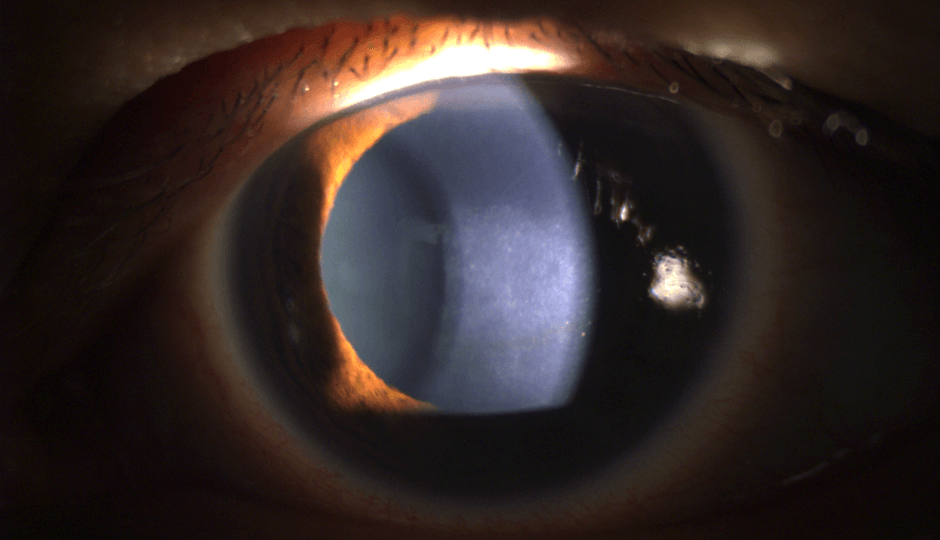
A cataract is a clouding of part of your eye called the lens. Your vision becomes blurred or dim because light cannot pass through the clouded lens to the back of the eye.

The lens

dissolved

The lens is a transparent body behind the iris, the coloured part of the eye. The lens bends light rays so that they give a clear image to the back of the eye – the retina. As the lens is elastic, it will change shape, getting fatter for close objects and thinner for distant objects. The diagram below shows the main parts of the eye.

What causes a cataract?

Cataracts can form at any age, but most often they develop as people get older due to lack of antioxidants in the diet that counteract the free radical damage that is particularly prevalent in the eye. In others and younger people they can result from an injury, certain drugs, long-standing inflammation or illnesses such as diabetes which is subject to extra free radical damage as a result of high glucose levels (see Starch Study).

Some symptoms

1. “I’m not seeing as well as I used to”
You may notice that some things seem blurred round the edges, or that your glasses seem dirty or scratched.

2. Seeing double
The cloudiness in the lens may occur in more than one place, so that the light rays that reach the retina are split, causing a double image.

3. Poor vision in bright light
You may find that bright light or very sunny days make it more difficult to see.

4. Change of color vision
As the cataract develops its centre becomes more and more yellow, giving everything you see a yellowish tinge.


Congenital Cataract?

A congenital cataract is an opacity (cloudiness) in the lens of the eye that is present at, or develops shortly after, birth.

The human lens is located behind the pupil and has an important function. It focuses rays of light into the retina to allow image formation. As the lens is able to change is shape, it can focus objects at different distances. Its cells are arranged so that it is transparent, like glass or water. When this arrangement is disturbed in any way, the transparency is lost and an opacity results. This results in blurring and blocking of the retinal image.

In the case of a newborn infant, a cataract causes the immature visual system to be deprived of the stimulation needed for normal development. If left untreated, permanent visual loss may occur. It is thought that starchy foods eaten in high levels during the pregnancy or given to the infant in the first 24 months may be the cause of the problem.

Inherited Congenital Cataracts

Approximately 0.03% of newborns have some form of congenital cataract. Most are not associated with additional development problems. Around one fifth of these have a family history of congenital cataract but in up to half of all cases there is no family history. Congenital cataracts at present account for the largest proportion of partially sighted and blind registered children in the UK.

What can be done to help?

1. The Alternative:

The first method must always be to change your lifestyle and take the nutrients that will reverse the problem in the majority of people. Diet and nutrition hast been shown to slow or stop the development of the cataract. See the Action Plan Link at the top of this page

2. Conventional Treatment:

The last resort for cataracts is a small operation to remove the cloudy lens. Laser cannot perform this although laser treatment is sometimes needed afterwards. This is a last resort as although the majority get good results; a small percentage are still left worse off.


Print Friendly
Print Friendly